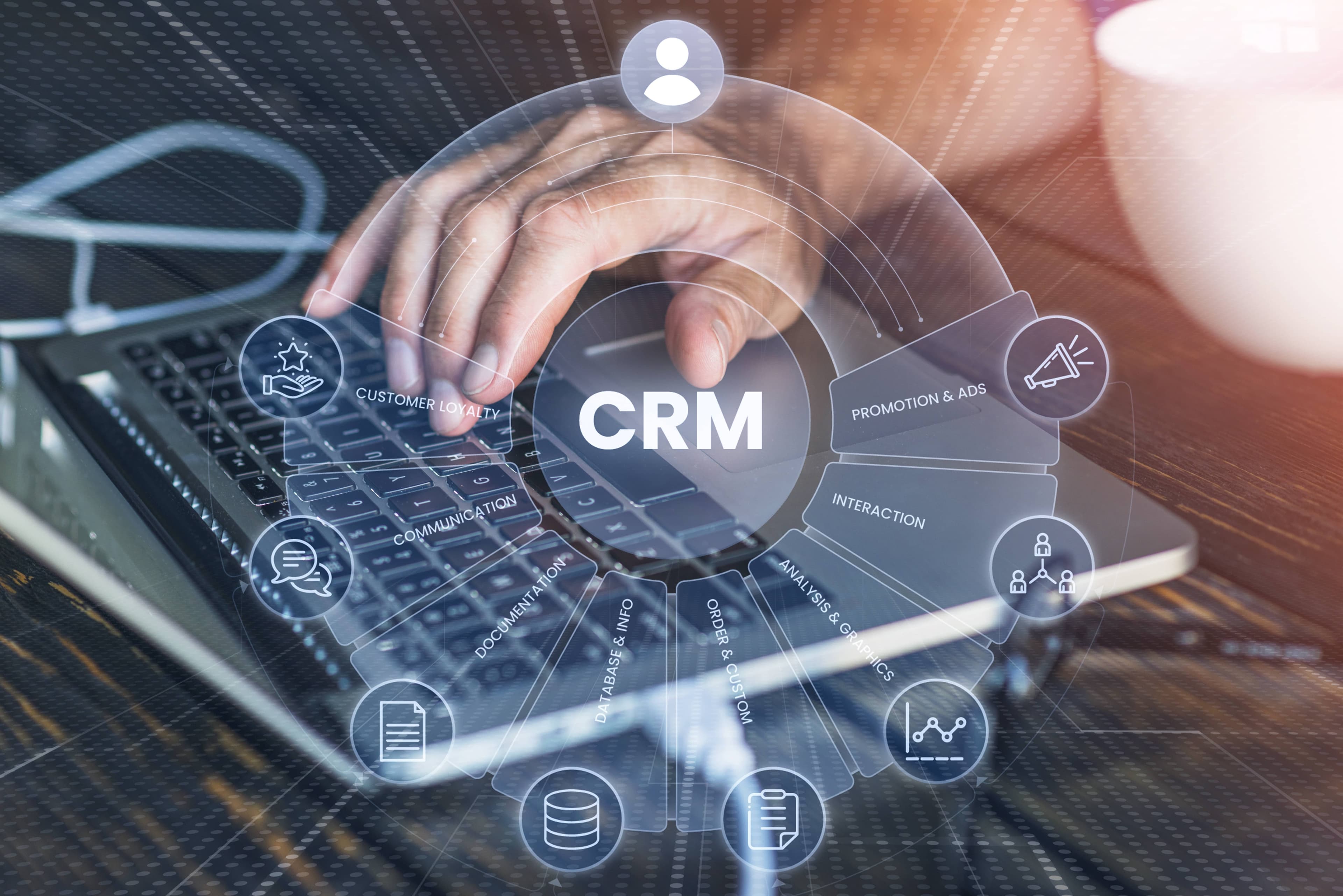
In today’s fast-paced business environment, staying competitive demands more than just great products and services—it requires systems that enable efficiency, visibility, and scalable growth. A Customer Relationship Management (CRM) system is one such essential tool, yet many small and mid-sized businesses still hesitate to adopt it. Whether due to cost, complexity, or resistance to change, objections persist.
We’ve seen firsthand how a tailored CRM strategy can transform operations, especially in industries like Construction, Oil & Gas, Hospitality, and Software. In this article, we’ll break down the business case for CRMs, tackle common objections, and show how the right approach can lead to remarkable business outcomes.
What Is a CRM—and Why Does It Matter?
A CRM is more than a digital Rolodex. It’s a centralized platform that allows businesses to manage customer interactions, track sales leads, automate follow-ups, and analyze performance across the customer journey. But the benefits don’t stop there:
1. Increased Sales Efficiency: Sales representatives spend only 28% of their week actively selling, with the remainder consumed by administrative tasks such as data entry and lead prioritization. CRM automation tools can significantly reduce this burden, allowing sales teams to focus more on revenue-generating activities.
2. Enhanced Customer Retention: Implementing a CRM system can lead to a 27% increase in customer retention rates. By automating follow-ups and personalizing customer interactions, businesses can foster stronger relationships and encourage repeat business.
3. Improved Forecasting Accuracy: CRM systems provide data-driven insights that enhance forecasting accuracy by up to 42% according to Salesforce. This allows businesses to make more informed decisions, prioritize effectively, and reduce reliance on guesswork.
Common Objections—and How to Overcome Them
1. “CRMs Are Too Expensive”
While cost is often cited as a barrier, the ROI of CRM adoption can be substantial. According to Nucleus Research, every dollar spent on a CRM returns an average of $8.71. Plus, cloud-based CRM platforms offer scalable pricing models that grow with your business.
Our Approach: We help businesses select the right CRM tier—no unnecessary add-ons, just what fits your current and future needs.
2. “It’s Too Complex to Implement”
Many fear CRMs are hard to set up or require technical expertise. The truth? Complexity varies by vendor, and the right partner makes implementation seamless.
Our Approach: We manage the full implementation lifecycle, from mapping your customer journey to integrating with tools like email marketing and project management platforms.
3. “Our Team Won’t Use It”
Change management is a real challenge. Teams often resist new software due to fear of disruption or inadequate training.
Our Approach: We offer hands-on training, create role-specific dashboards, and provide ongoing support to ensure adoption sticks. Our change management process is human first, making transitions smooth.
Our CRM Consulting Approach
We don’t just set up software—we build scalable customer engagement systems designed to help organizations drive operational efficiency, and data-informed decisions. Our approach blends deep platform expertise with strategic foresight, ensuring solutions that are not only technically sound but also tailored to deliver long-term value and scalability.
• Strategic Solution Audits and Enablement: Before we recommend or deploy any technology, we begin with a detailed evaluation of your existing processes and systems. This audit helps us uncover gaps, inefficiencies, and areas for opportunity. We then develop a clear roadmap for CRM adoption or optimization—always aligned with your strategic goals and operational realities.
• CRM Design, Implementation, and Optimization: Our team works closely with clients to design CRM systems that align with business objectives and operational needs. Whether you're a sales-driven organization, a service-focused enterprise, or a nonprofit needing better donor engagement, we tailor your CRM to support your core activities.
• Business Intelligence, Reporting, and Analytics: We believe that a CRM should do more than track interactions—it should empower leaders to make better decisions. That’s why we build real-time dashboards and comprehensive reports that surface actionable insights.
• Integration, Data Migration, and Governance: Migrating to a new CRM or enhancing an existing one often involves moving and integrating vast amounts of data. We handle this process with care and precision.
• Industry-Specific CRM Solutions: We understand that one-size-fits-all doesn’t work—especially in industries as nuanced as Oil & Gas, Construction, Hospitality, and Software. That’s why our CRM solutions are customized by industry and region.
Beyond technical implementation, we focus on helping teams adopt and maximize their CRM investment. We conduct architecture reviews, configuration audits, and performance tuning to ensure your system evolves with your business.
Client Enablement Beyond Go-Live
A CRM only succeeds when people use it—and use it well. That’s why our post-deployment support includes:
• Role-specific onboarding (field staff, managers, IT)
• Customized user manuals aligned with your workflows
• Ongoing adoption tracking and coaching
• Change management strategies that support continuous improvement
This holistic approach ensures that your CRM delivers value not just on launch day, but every day after.
Ready to Take the Next Step?
The businesses that thrive today are those that can move fast, stay informed, and keep customers at the center. A CRM is not a luxury—it’s a necessity for any growth-oriented organization.
And the good news? You don’t have to do it alone. At Anchor Bridge Consulting, we bring technology and business together with a human-first strategy. Whether you're considering your first CRM or want to optimize an underused system, our experts can help.
Contact us today for a free CRM assessment and let’s design a system that works for your business. Schedule Your Free Consultation
People. Process. Technology.